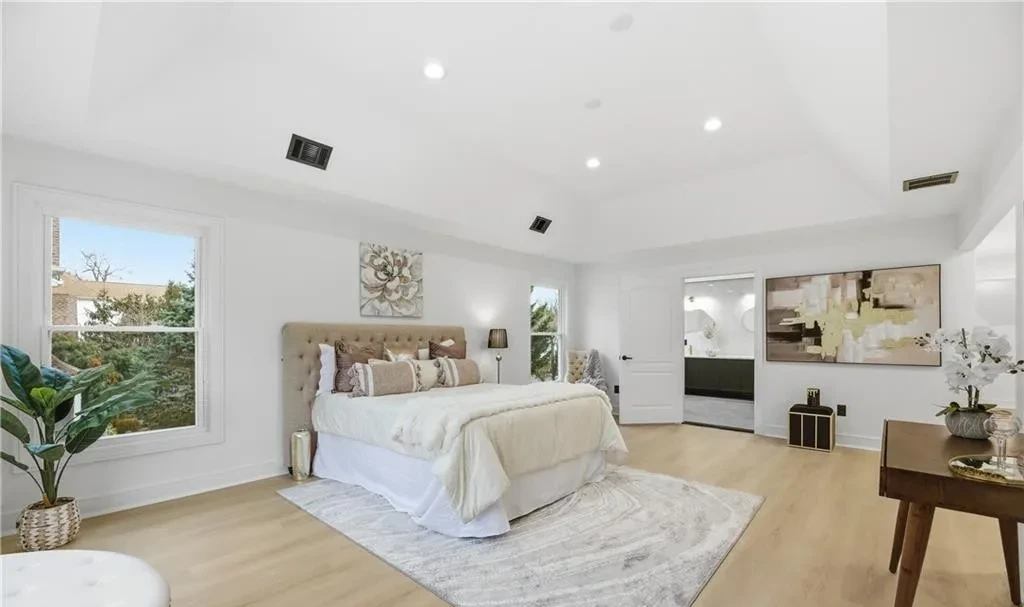
As a real estate professional, you know that staging isn’t just about “making things pretty”—it’s about the bottom line. However, to a seller, it can often feel like an unnecessary expense or a critique of their personal taste.
At Lyttle Staging, we want to help you bridge that gap. We’ve compiled this “Cheat Sheet” of high-impact talking points and psychological pivots to help you explain the value of staging to even the most reluctant clients.
1. The Financial Pivot: “Staging Costs Less Than Your First Price Reduction”
This is the most powerful argument in your arsenal. Most sellers are worried about the upfront cost, but they forget the cost of a home sitting stale on the market.
- The Pitch: “Mr. and Mrs. Seller, the average first price reduction in this market is typically 5% to 10%. A professional staging investment with Lyttle Staging is usually less than 1%. It is always cheaper to stage first than to drop your price later.”
- The Fact: Staged homes sell for 5% to 20% more on average. Staging is an equity protection plan.
2. The Marketing Pivot: “We Aren’t Staging for People; We’re Staging for the Algorithm”
Sellers often think staging is only for the open house. Remind them that the sale happens on a smartphone first.
- The Pitch: “95% of buyers find their home online. If our photos don’t stop their thumb in the first two seconds of scrolling, they’ll never see your beautiful backyard. Lyttle Staging creates ‘High-Contrast’ interiors specifically designed to pop on the MLS and social media.”
- The Fact: Listings with professional staging and photography receive triple the views in their first week compared to unstaged homes.
3. The Psychological Pivot: “Decorating is Personal; Staging is Tactical”
If a seller feels defensive about their decor, shift the focus from “taste” to “marketing.”
- The Pitch: “Your home is beautiful, and it tells the story of your life. But when we go to market, we want the house to tell the story of the buyer’s life. Staging allows us to ‘depersonalize’ so a buyer can mentally move in the moment they walk through the door.”
- The Concept: Staging creates a “Life of Freedom” vision that allows the buyer to imagine their purpose in the space, rather than feeling like a guest in someone else’s.
4. The Scale Pivot: “Empty Rooms Actually Look Smaller”
Many sellers think an empty house looks bigger. This is a common misconception you need to correct.
- The Pitch: “Empty rooms lack a sense of scale. Without furniture, buyers can’t tell if their king-sized bed will fit or if the living room is large enough for entertaining. Lyttle Staging uses ‘Right-Scale’ furniture to define the purpose of every square inch, making the home feel more expansive, not less.”
The “Lyttle” Cheat Sheet Summary Table
| Seller Hesitation | Your Response (The “Pivot”) | The Logic |
| “It’s too expensive.” | “It’s cheaper than a price cut.” | ROI Protection |
| “My house is already nice.” | “We need to market to the buyer’s dream.” | Emotional Connection |
| “Let’s try it unstaged first.” | “You only get one first impression.” | Market Momentum |
| “An empty room looks bigger.” | “Buyers need scale to feel ‘at home’.” | Practical Visualization |
Use Us as the “Third-Party Expert”
Sometimes, it’s easier if the advice comes from an outside specialist. If you have a reluctant seller, offer them a Lyttle Consultation. We can handle the “delicate” conversations about clutter or paint colors, leaving you to be the “good cop” and the trusted advisor.