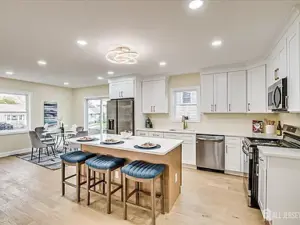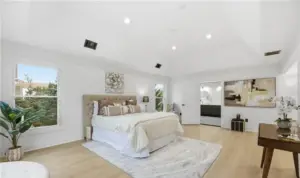
When you’ve lived in a home for years, every corner tells a story.
That gallery wall of family vacations, the vibrant turquoise in the guest room that makes you smile, and the oversized velvet sofa where you’ve spent countless Sunday afternoons—these are the details of a life well-lived.
In the world of interior design, we call this decorating. But the moment you decide to put your home on the market, the goal shifts. You are no longer designing for your own comfort; you are marketing a product. This is where staging takes over.
While the two disciplines share the same toolkit—furniture, color, and light—they have two completely different “bosses.”
1. The Audience: The Owner vs. The Market
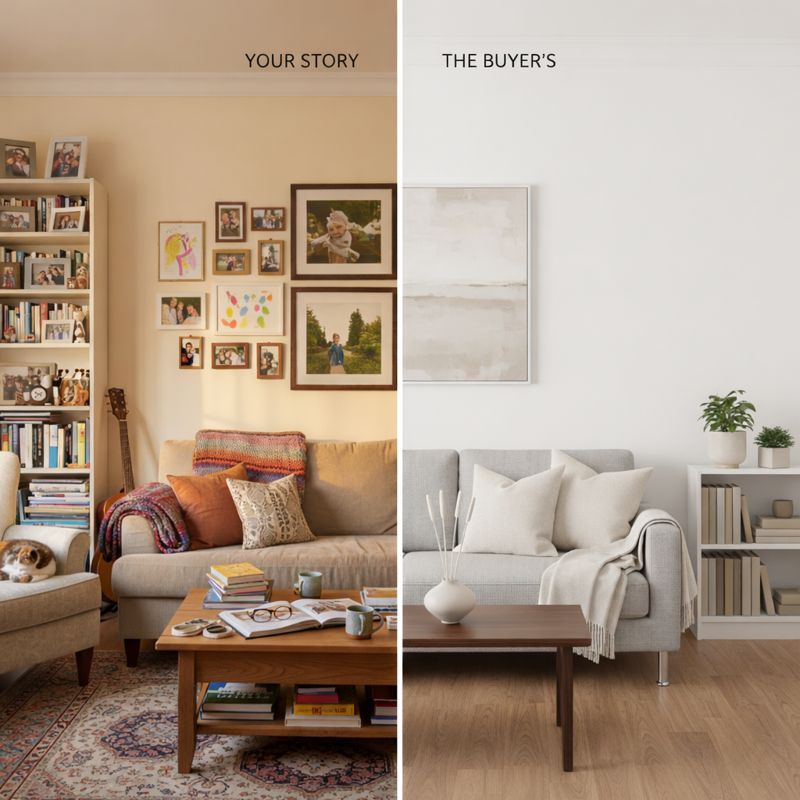
Decorating is deeply personal. An interior decorator’s job is to reflect you—your history, your quirks, and your specific needs. If you love antique clocks or want a room dedicated to your craft hobby, a decorator makes it happen.
Staging is the art of depersonalizing. At Lyttle Staging, our “client” is the anonymous future buyer. We aren’t looking to show how much you loved the home; we are looking to show how much they will love it. We replace personal artifacts with aspirational “lifestyle cues” that allow a buyer to mentally move in the moment they walk through the door.
2. The Goal: Personal Sanctuary vs. Marketable Asset
- Decorating is about longevity. It’s about creating a space where you can retreat from the world and feel “at home” for the next decade.
- Staging is about speed and ROI. It is a strategic marketing tool designed to highlight the home’s architecture, maximize the perception of square footage, and lead to a faster sale at a higher price point.
3. Bold Personality vs. High-End Neutrality
One of the hardest parts of selling a home is “editing” your personal style. You might love your collection of vintage movie posters, but to a buyer, they are a distraction.
In staging, we use a “Luxe Neutral” palette. This doesn’t mean boring—it means we use sophisticated textures, organic tones, and strategic pops of color to create a “blank canvas” that feels high-end. This allows a buyer with any style—from minimalist to traditional—to see their own furniture fitting into the space.
4. Function: Your Reality vs. Their Dream
We all have “that room.” The one that’s a half-office, half-laundry room, or the “junk room” where the treadmill lives. While that might be your reality, it’s not the buyer’s dream.
Staging restores purpose to every square inch. We turn that cluttered nook into a serene “freedom-focused” workspace and transform a storage-filled basement into a cozy media retreat. We show the buyer how the home will give them the life of ease and purpose they’ve been looking for.
The Bottom Line
Decorating makes a house yours. Staging makes a house theirs.
If you’re ready to stop living in your home and start selling it, you need a partner who understands the bridge between the two. At Lyttle Staging, we specialize in “The Lyttle Touch”—a design-forward approach that maintains the warmth of a decorated home while delivering the clinical results of a professional stage.