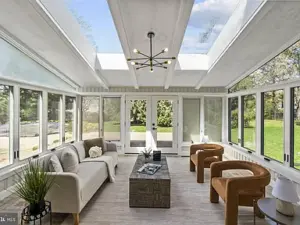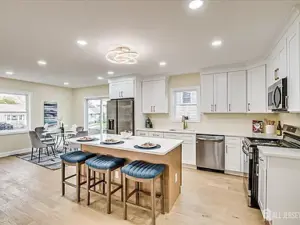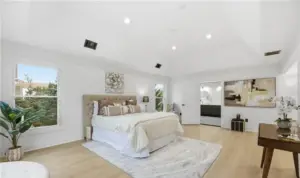
In an age of constant digital noise and urban hustle, our homes have become our recovery centers.
At Lyttle Staging, we believe that a truly luxury home should do more than just look beautiful; it should improve the well-being of the people inside it.
This is the core of Biophilic Design.
Biophilia is the innate human instinct to connect with nature. When we bring the “outside in,” we don’t just decorate; we trigger a physiological response that lowers cortisol, boosts creativity, and creates a life of freedom and purpose.
Here is how to incorporate biophilic elements into your space to create a sanctuary that breathes.
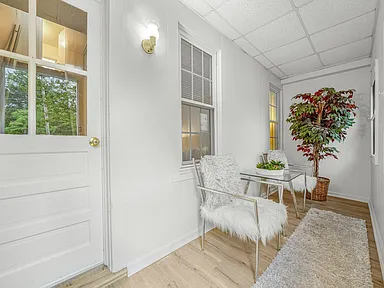
1. The Power of “Living Decor”
Plants are the most obvious element of biophilic design, but in a Lyttle-staged home, we use them strategically as architectural elements.
- The Strategy: Instead of many small pots that can look like “clutter,” opt for a single, dramatic statement plant like a Fiddle Leaf Fig, a Strelitzia (Bird of Paradise), or an Olive Tree.
- The Purpose: Large-scale greenery draws the eye upward, emphasizing ceiling height and filling “dead” corners with life and oxygen.
2. Prioritizing the “Visual Connection”
Biophilic design is as much about what you see through the glass as what you place inside it.
- The Strategy: Keep window treatments minimal. Use sheer linens or motorized “invisible” shades that disappear during the day. Arrange furniture to face windows or “frame” a view of the garden or sky.
- The Purpose: Constant access to the movement of the sun and the changing seasons helps regulate your circadian rhythm, leading to better sleep and a more purposeful morning routine.
3. Material Honesty: Raw and Refined
Nature isn’t perfect, and your home shouldn’t be either. Biophilic design celebrates “material honesty”—using textures that feel like they came directly from the earth.
- The Strategy: Incorporate unrefined wood (live-edge tables), natural stone (travertine or marble), and organic fibers (jute, wool, and linen).
- The Purpose: Touching these natural textures grounds us. The “imperfections” in wood grain or stone veining provide a visual complexity that mimic the outdoors, reducing the “sterile” feeling of modern construction.
4. Maximizing Natural Light and Airflow
A home that feels “sealed off” can feel stagnant. Biophilic design prioritizes the movement of air and the play of light.
- The Strategy: Use mirrors to bounce light into darker hallways. If possible, keep windows cracked to allow the sound of wind or rain to enter the home—a concept known as “non-rhythmic sensory stimuli.”
- The Purpose: Moving air and shifting light patterns remind us of our connection to the larger world, fostering a sense of freedom and expansiveness.
The “Lyttle” Biophilic Checklist
| Element | Biophilic Upgrade | The Result |
| Color | Sage, Moss, and Sandstone | Lowered Heart Rate |
| Texture | Chunky Wool & Raw Wood | Tactile Grounding |
| Sight | Framed Outdoor Views | Reduced Eye Strain |
| Life | Indoor Trees | Improved Air Quality |
Why We Use Biophilic Design in Staging
When a buyer walks into a Lyttle-staged home filled with natural light, organic textures, and lush greenery, they don’t just see a house. They feel an immediate sense of relief. They see a home that will support their mental health and provide a sanctuary from the world.
Nature isn’t an ornament; it’s a necessity.
Is your home missing that “natural” connection? Let Lyttle Staging help you bring the outside in. Contact us today to learn how our Scandi-Luxe approach can transform your property into a biophilic retreat.